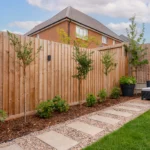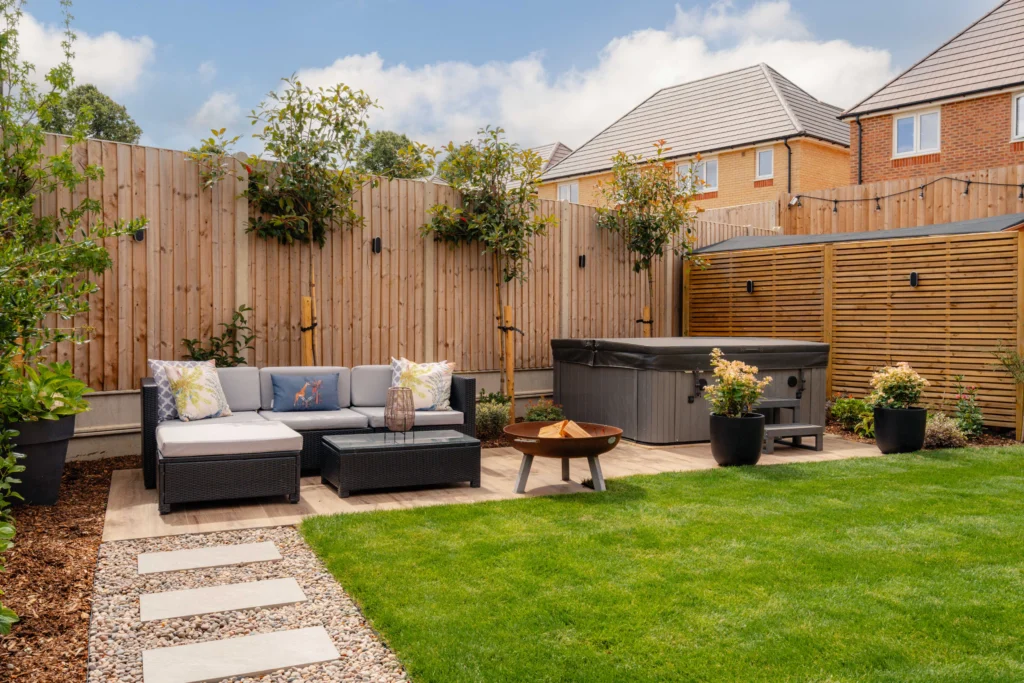
When you begin planning a garden project, you will hear trades professionals refer to ‘hard and soft landscaping techniques’. In this article, the experts at House Gardens explain the differences so you have a better understanding of how to create a functional and beautiful outdoor space.
What is hard landscaping?
The phrase ‘hard landscaping’ refers to the core structural elements of a garden. These built features provide shape, accessibility and durability – in short, they form the backbone of your garden design.
Common examples of hard landscaping include the following:
- Patios and paving
- Decking
- Driveways
- Walls and retaining structures
- Fencing and gates
- Pergolas, arches, or gazebos.
Adopting hard landscaping techniques is essential for producing a functional space that suits your property and lifestyle (e.g. entertaining, relaxing, parking etc.). When planned effectively, an attractive wall or fencing can defines zones in your garden, adding structure and purpose.
By using quality materials, hard landscaping improves the longevity of your garden design while also adding value to your property. A bonus is the reduction in regular maintenance, such as choosing to replace a lawn with a paved area. At House Gardens, we use London Stone to supply our paving slabs.
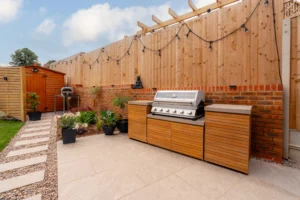
When considering hard landscaping techniques, you need to remember that they require a larger investment due to labour and material costs. You also need to think about drainage, planning permission for structures and choosing the right products.
What is soft landscaping?
Once the structure of the garden design has been established, it is time to add the living, natural elements of a garden – known as soft landscaping. Plants bring colour, life and seasonal interest to your outdoor space, complementing the foundations created by hard landscaping.
The most common soft landscaping techniques include the following:
- Lawns and fresh turf
- Trees, shrubs and hedges
- Flower beds and borders
- Ground cover plants
- Climbers and vines.
It is well worth investing time in soft landscaping as the choice of plants will determine the visual impact of your garden. We recommend choosing varieties that will attract wildlife such as native birds, bees and butterflies. The aim is to blend seasonal variation for year-round interest with practical concerns such as drainage and the local ecosystem.
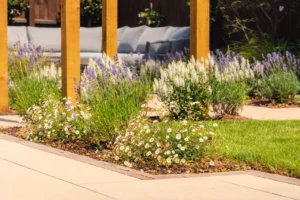
How to combine landscaping techniques
In our experience, the most successful gardens blend hard and soft landscaping seamlessly, creating a stunning outcome. Hard landscaping creates the stage, while soft landscaping adds the atmosphere and character.
Consider the sustainability of your space, as soft landscaping will require ongoing care. Your choice of plants need to be suitable the British weather, local soil types and your lifestyle.
Thoughtful planning during the initial design phase is essential to meet your specific needs, e.g. a low-maintenance garden for a busy family. Consider a patio (hard) surrounded by planted borders (soft), or wooden decking (hard) complemented by potted plants and climbing vines (soft). At the front, a gravel driveway (hard) can be softened with hedges or shrubs (soft).
Top tips for landscaping techniques
- Planning: decide how you want to use your garden (dining, play, relaxation)
- Maintenance: if you’re busy, opt for durable materials and low-maintenance plants
- Drainage: too much paving can cause flooding so add permeable surfaces
- Budget: start with essential structures, then build in planting over time.
Need advice on garden landscaping?
Whether you’re refreshing a small garden or undertaking a full redesign, understanding hard and soft landscaping techniques will help your project succeed. At House Gardens, we pride ourselves on creating outdoor spaces that combine practical features with natural beauty – tailored to the individual needs of our customers.
If you live in North Hertfordshire and Bedfordshire, we can deliver functional and visually appealing gardens. Get in touch with House Gardens today and let us help you bring your vision to life.